
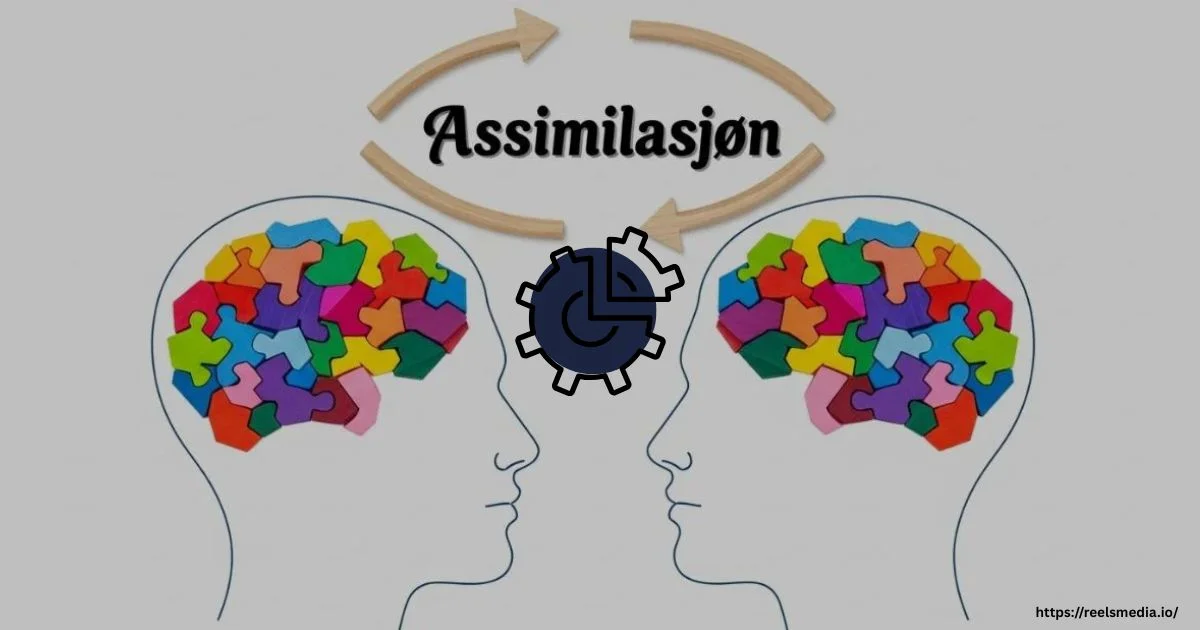
Introduction to Assimilasjon
Assimilasjon is a term that often surfaces in discussions about culture and identity. It represents the intricate dance between different cultures, where individuals adapt to new environments while retaining aspects of their original heritage. This process can be fascinating and complex, as it shapes societies around the globe. Understanding assimilasjon isn’t just about recognizing cultural change; it’s about appreciating how diverse influences come together to create vibrant communities. Join us on this journey as we explore its historical roots, types, psychological impacts, benefits, and modern-day examples of assimilation in action.
Historical Context of Assimilasjon
The concept of assimilasjon has deep historical roots, emerging prominently during colonial expansions. As empires sought to expand their influence, they often aimed to integrate indigenous populations into their own cultures. This process was frequently marked by the suppression of native traditions.
In the 19th and 20th centuries, industrialization accelerated assimilation efforts as urban migration increased. Newcomers were encouraged to adopt the dominant culture for economic survival and social acceptance.
Throughout history, political ideologies have influenced these dynamics significantly. Nationalism played a crucial role in shaping policies that promoted cultural integration or imposed homogeneity on diverse groups.
Types of Assimilasjon
Assimilasjon can be categorized into several types. One common form is cultural assimilation, where individuals adopt the customs and values of a dominant culture. This often involves changing language, traditions, and social norms to blend in.
Another type is structural assimilation. This occurs when minority groups participate in societal institutions such as schools or workplaces alongside majority groups without losing their identity.
There’s marital or interpersonal assimilation. This happens when members of different cultural backgrounds marry or form close relationships, fostering deeper connections between diverse communities while promoting understanding and acceptance.
Factors Influencing Assimilation
Assimilation is influenced by various factors, each shaping the integration process. First, socioeconomic status plays a significant role; those with better resources often adapt more easily to new cultures. Access to education and employment opportunities can enhance this experience.
Cultural openness also affects assimilation. Communities that embrace diversity tend to facilitate smoother transitions for newcomers. Conversely, resistance from existing cultural groups can hinder progress.
Personal motivations are crucial. Individuals who actively seek connection and understanding of their new environment are likely to assimilate more effectively than those who remain isolated or resistant to change.
The Psychology of Assimilasjon
Assimilasjon impacts individuals on a psychological level, shaping identity and belonging. When people integrate into a new culture, they may experience conflicting emotions. This struggle often stems from the desire to fit in while retaining their original cultural roots.
Adapting to different norms can provoke anxiety or stress. Individuals must navigate expectations from both their native and host cultures, leading to an internal tug-of-war.
The process of assimilation also fosters resilience as people learn to adapt and innovate within diverse environments. Through this journey, personal growth occurs alongside cultural integration, enriching the individual’s overall experience.
Benefits of Assimilasjon
Assimilasjon brings numerous benefits, fostering social cohesion in diverse societies. It encourages individuals from different backgrounds to share experiences and traditions, creating a richer cultural tapestry. This unity can lead to enhanced community support systems.
Additionally, assimilasjon often opens doors for economic opportunities. As newcomers adopt local customs and languages, they become more integrated into the workforce. This integration boosts productivity and innovation within businesses.
Moreover, assimilasjon promotes understanding and tolerance among various groups. By bridging cultural differences, it reduces prejudices and fosters mutual respect in everyday interactions. Such harmony is essential for thriving communities.
Assimilasjon in Education and the Workplace
Assimilasjon plays a pivotal role in education, shaping how students from diverse backgrounds adapt to new learning environments. Schools that embrace assimilasjon foster inclusivity, allowing students to share their unique perspectives while gradually integrating into the mainstream culture.
In the workplace, assimilasjon can enhance team dynamics. Employees who understand and adopt company values contribute significantly to a cohesive work environment. This integration boosts productivity and collaboration among staff members from varied cultural backgrounds.
However, it’s essential for organizations to balance assimilation with respect for individuality. Valuing differences while promoting unity creates a healthier atmosphere for growth and innovation.
The Future of Assimilasjon
The future of assimilasjon appears increasingly dynamic. As globalization continues to connect cultures, the process evolves rapidly. People are interacting more than ever across borders.
Technology plays a crucial role in shaping this integration. Social media and digital platforms enable cultural exchange, fostering understanding among diverse groups. This connectivity can promote acceptance and shared values.
However, challenges remain. Balancing cultural preservation with assimilation is vital for harmonious coexistence. Communities must navigate these complexities while embracing change without losing their unique identities.
Challenges and Criticisms
Assimilasjon often faces significant criticism. One major concern is the loss of cultural identity. When individuals are pressured to conform, unique traditions and languages may disappear.
Additionally, the process can create tension between communities. Those who resist assimilation might feel marginalized or discriminated against, leading to social divides.
Critics also argue that assimilasjon promotes a one-sided view of culture. It overlooks the richness brought by diversity and fails to recognize that integration should be mutually beneficial rather than coercive. This imbalance raises ethical questions about acceptance and inclusion in society.
Modern-Day Examples
Modern-day examples of assimilasjon can be seen in various urban centers around the world. In cities like New York and London, immigrant populations often adopt local customs while retaining elements of their original cultures. This blending creates rich, diverse communities.
Social media plays a significant role in this process. Platforms allow individuals to share their cultural heritage while connecting with broader audiences. Viral trends often emerge from these interactions, showcasing how traditions evolve within new contexts.
In workplaces, multicultural teams exemplify assimilasjon as employees merge different perspectives to drive innovation. This collaborative environment fosters understanding and enhances productivity across industries.
Conclusion
Assimilasjon is a complex process that shapes societies and individuals alike. It involves the blending of cultural identities, creating pathways for growth and understanding. The journey of assimilation can lead to enriched experiences while also presenting unique challenges.
As we look ahead, it’s important to consider how these dynamics will evolve in an ever-changing world. Embracing diversity while ensuring integration may serve as the key to fostering unity and respect among different cultures. Understanding assimilasjon helps us navigate these intricate relationships with empathy and awareness, ultimately paving the way for a more inclusive future.